

Introduction: Your patio is more than just a place to sit outside—it's an extension of your home, a space where memories are made, and a feature that adds beauty and value to your property. But like any part of your home, your patio needs regular maintenance to stay in top condition. From seasonal cleaning to sealing and long-term protection, the right strategies can keep your patio looking pristine for years. In this guide, we’ll walk you through expert-backed tips to clean, seal, and preserve your outdoor space the right way.
 Cleaning Your Patio the Right Way
Gentle Techniques That Get the Job Done
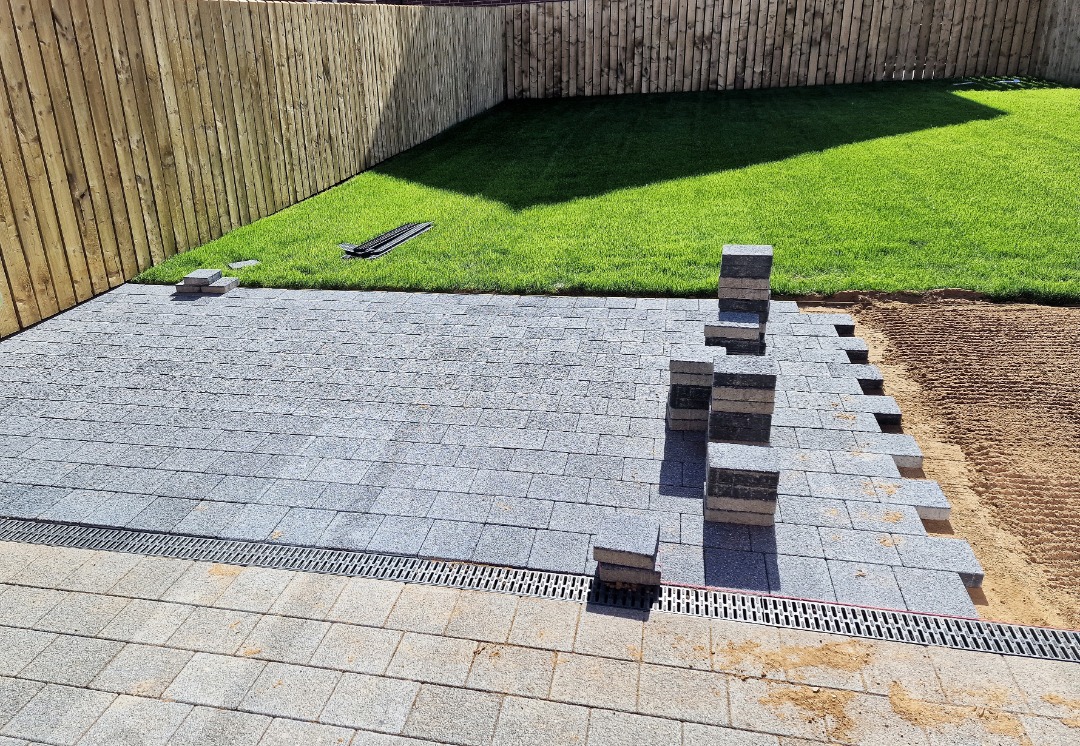
Cleaning your patio might seem as simple as spraying it down, but using the wrong tools or chemicals can do more harm than good. The first step in maintaining your patio is removing dirt, leaves, and debris. For general maintenance, a broom and garden hose work well. If your patio has more stubborn grime or stains, consider using a pressure washer on a low setting. Start with the widest spray tip and test it in a small area first. Using too much pressure can erode the surface, especially on pavers or natural stone.
For mold or algae buildup, mix a solution of warm water and a mild detergent like dish soap. Scrub the surface with a stiff-bristle brush to lift the grime without damaging the material. Avoid harsh chemicals like bleach unless necessary, and never mix cleaning agents together. If you have a mold-prone patio, regular cleanings—especially in shady or damp areas—will prevent buildup and slippery surfaces.
Avoiding Common Cleaning Mistakes
Many homeowners make the mistake of cleaning their patios too aggressively or using the wrong solutions. For example, using vinegar on a concrete or stone patio can degrade the finish over time. Pressure washing at the wrong angle or distance can leave streaks or etch the surface. Another overlooked mistake is failing to remove patio furniture and décor before cleaning. These items can trap dirt underneath, leading to uneven fading or staining.
 The Importance of Sealing Your Patio
When and Why to Seal
Once your patio is clean and fully dry, sealing is the next step to preserving its appearance and durability. Sealing protects your patio from moisture, staining, UV damage, and wear caused by weather and foot traffic. Whether your patio is made of concrete, pavers, or natural stone, sealing creates a protective layer that enhances color and reduces the risk of cracks or surface breakdown.
Most sealers need to be reapplied every two to three years, depending on exposure and product type. The best time to seal is during dry weather with moderate temperatures—usually spring or early fall. Be sure the surface is completely dry and free of debris. Applying sealer to a damp or dirty patio can lead to hazy finishes and poor adhesion.
Choosing the Right Sealer
There are several types of patio sealers: penetrating, film-forming, wet-look, and natural finish. Penetrating sealers soak into the surface and provide long-lasting protection without changing the look. Film-forming sealers add a glossy finish but may become slippery when wet. Wet-look sealers darken the patio’s color for a richer appearance, while natural finishes maintain the original tone. Choosing the right one depends on your material, climate, and personal preference.
How to Maintain Your Patio for Long-Term Beauty and Strength
Regular Upkeep That Makes a Difference
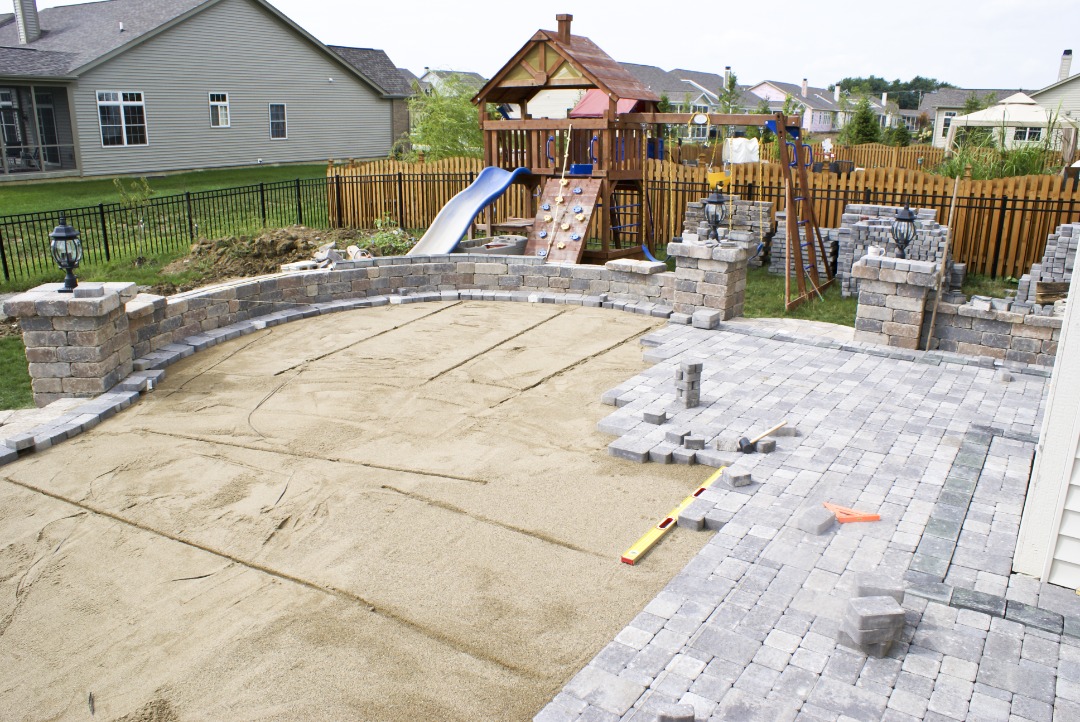 Consistent maintenance is the key to extending the life of your patio. Sweep your patio regularly to keep debris and moisture from settling into crevices. Trim nearby plants to reduce the buildup of organic matter that can cause staining or encourage mold growth. After storms or heavy winds, rinse off the surface to prevent long-term discoloration or water pooling.
Additionally, be mindful of how your furniture interacts with the surface. Metal furniture can rust and stain; rubber feet or mats can trap moisture. Opt for protective pads under furniture legs and avoid dragging items across the patio to prevent scratches or gouges.
Seasonal Checkups and Repairs
As seasons change, inspect your patio for cracks, shifting stones, or drainage issues. Cold climates can cause freeze-thaw damage, while excessive sun exposure can fade surfaces. Addressing small problems quickly—like refilling polymeric sand between pavers or replacing damaged stones—can save you from costly repairs down the line. A quick visual inspection in spring and fall is often all you need to stay ahead.
Conclusion
Caring for your patio doesn’t have to be overwhelming. With a little consistency and the right know-how, you can keep your outdoor space clean, protected, and ready for any occasion. Whether you're prepping for summer barbecues or simply enjoying a quiet morning outside, a well-maintained patio adds comfort and value to your home. Follow these expert tips to make sure your patio continues to serve you beautifully for years to come. Get in touch with us right now to learn more about your patio as well as our Lake City, Ellisville, and Providence, FL.
Master Patio Care with These Pro Tips

495 SW Dante Terrace, Lake City, FL 32024, United States