


Introduction: Irrigation should make your landscape easier to live in, not turn into one more chore on your weekend list. With cooler, shorter days arriving in November, the timing is perfect to straighten out controller settings, fix small issues, and set your system up for a low-stress season in Lake City FL. This guide keeps things practical and cost-efficient, so your lawn and beds get what they need without wasting your water or your time.
Irrigation In Lake City FL, That Matches Your Soil And Sun
Knowing Your Soil Before You Touch The Timer
So much of irrigation success hinges on the ground under your feet. Many Lake City FL, properties sit on sandy or sandy loam soils that drain fast and hold less moisture. Water runs through quickly, which sounds fine until you see grass stressing midweek, or shrubs showing dry leaf edges, even though the schedule shows how often you are watering. However, the fix is rarely watering for more minutes in a single run. It usually requires shorter cycles with breaks in between, so water can soak into the soil rather than flow across the surface.
That cycle-and-soak pattern plays nicely with most rotors and multi-stream nozzles. It also helps beds with drip lines or micro-bubblers retain moisture where roots actually live. When in doubt, poke a screwdriver into the soil right after a run and again twenty minutes later. If it slides in a few inches with modest effort both times, you are on track. If the top crusts again in an hour, reduce watering time, add another short cycle, and check how quickly your soil releases water into nearby drainage paths. Matching output to infiltration beats blindly bumping up minutes and your water bill.
How Shade, Wind, And Heat Shift Irrigation Needs
Two side-by-side lawns require different irrigation strategies, and microclimates are the reason. A strip that faces afternoon sun will evaporate water much faster than the piece tucked behind the oak near your driveway. Shade slows evaporation, yet tree roots absorb a surprising amount, so the grass there still requires your attention. Wind also plays a significant role. Sprays pushed off target leave dry streaks, and you may think the zone is under watering, when it is really a distribution problem. November in Lake City FL, often brings gentler heat, softer sun angles, and a breeze that shows up in the evening. All of that calls for a lighter touch on the timer and a closer eye on coverage.
Shorter days cool the soil, which slows the rate at which plants absorb water. That is good news for your water bill, and it is a hint to dial back schedules. Switch to one to two deeper soaks per week for turf instead of frequent misting that barely reaches roots. Beds with mulch need even less. If you are adjusting a smart controller, let the weather inputs guide you, then double-check it is working well by feeling the soil. If it crumbles slightly in your hand rather than turning to dust, the zone has probably got enough. This is a good sign that keeps it helps to keep irrigation beneficial without overshooting and creating accidental drainage problems or soggy corners in your yard.

Irrigation Diagnostics That Save Water And Headaches
Simple Checks For Coverage And Pressure
Before replacing parts, take ten minutes to see how water is landing. Turn on a zone and watch the pattern. Sprays and rotors should spray water from head to head so there are no pale streaks between arcs. If the stream falls short, you could be dealing with low pressure, a clogged nozzle, or a head sunk below grade. Even a quarter inch too low can let grass blades block the spray, creating a thin patch that looks like a nutrient issue. Pop the head up, clean the filter screen, straighten the body, and test again. Small tweaks fix a lot.
For a quick, no-gadget test, set a couple of shallow containers around the zone and run it for a known time. If one fills much higher than the other, coverage is uneven. If both barely move, you might be stretching too many heads on that line or fighting a valve that is not opening all the way. A simple pressure check at the hose bib will tell you what your system is fed, and from there, you can choose nozzles that match it. Consistent precipitation rate across heads keeps your schedule honest. It also prevents runoff that sends water straight into the nearest drainage inlet rather than into your soil.
Sneaky Leaks, Clogged Nozzles, And Smart Fixes
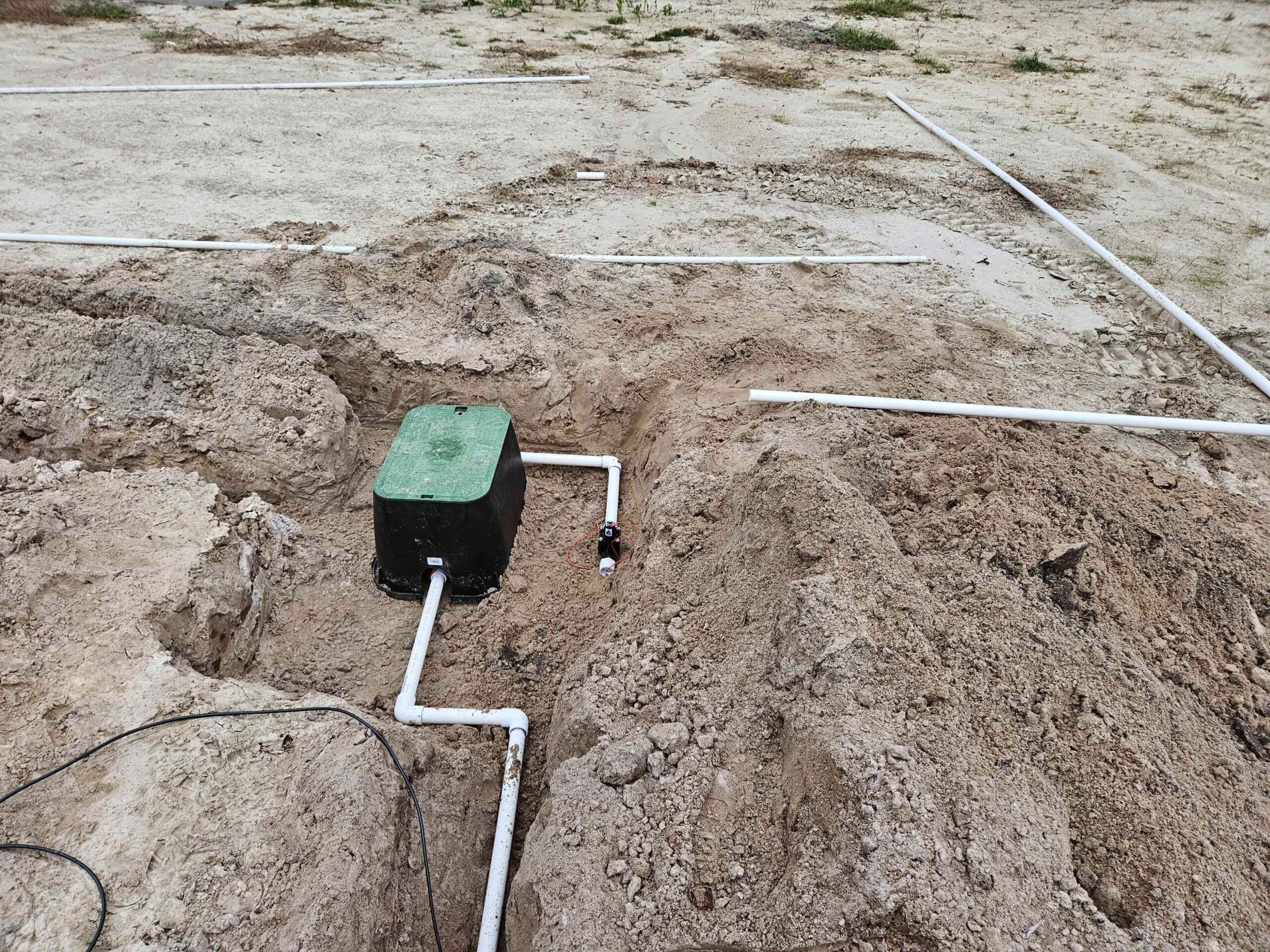
Some irrigation issues hide in plain sight. A slow weep at a lateral line can show up as a single green square in the lawn that never dries or a mushy spot that squishes when you walk on it. If a zone fills with water when off, suspect a stuck valve or debris lodged in the diaphragm. In our sandy soils around Lake City FL, grains can slip past worn seals and hold a valve open just enough to cause trouble. Cleaning the valve, replacing the diaphragm, and flushing the line usually clears it up without a full rebuild. While you are in there, peek at the filter screens in your heads. A little grit creates a big pattern problem.
Clogs are not an anomaly. They are, in fact, quite common. Beds that rely on drip or micro emitters catch mineral buildup when water sits in the lines between cycles. A periodic flush at the end cap moves that gunk out. For sprays, pull the nozzle, rinse the screen, and look inside the body for sand. If you keep seeing the same head clog, consider a different nozzle style or a pressure-regulated body for steadier performance. Differentiating a true irrigation leak from a drainage issue matters too. If the wet area appears after rain and lingers, you may be looking at poor grading rather than a line problem, so fix the slope before chasing ghosts in the pipes.
Irrigation Design Choices That Feel Effortless Day To Day
Controllers, Sensors, And Settings You Will Actually Use
Irrigation tech keeps getting better, but the best controller is the one you do not dread opening. If scrolling through menus makes your head spin, choose a unit with plain language programs and a clear dial. App-based controllers are handy when schedules change and you want to delay watering after a good November shower in Lake City FL. A basic rain sensor is more than a nice-to-have here; it is required by Florida code and saves you from watering during a storm. Pair it with a soil moisture sensor on thirsty turf zones if you like real-time guardrails.
As for settings, resist the urge to stack too many programs together. Keep turf zones grouped by head type so rotors run longer than sprays, and keep plant beds separate so drip can run at lower pressure and slower rates. Use shorter cycles with a pause between starts on sloped areas to stop water from racing toward the sidewalk and the nearest drainage curb cut. The goal is not a perfect system; it is a forgiving one you can adjust in a minute when life gets busy. When schedules are simple, you will actually keep them up.
Beds, Lawn, And Edges Watered The Right Way
Grass and garden beds drink differently, so let the layout reflect that. Drip for shrubs and perennials delivers water directly to the roots and keeps leaves dry, reducing fungal headaches in our humid months. It is also gentle on mulch, reducing float and washout toward the edge of the bed after a long cycle. For lawn areas, matched precipitation rotors or multi-stream nozzles do a great job of spreading water evenly without turning the zone into a mist show. They handle wind better than traditional sprays and make it easier to match coverage at odd angles.

Edges are where yard debris loves to hide. Sprinklers set too close to sidewalks, driveways, or the street will splash beyond the grass and send a trickle down the gutter, straight into drainage structures that never benefit your plants. Pull heads back, set arcs tight, and drop precipitation on the green strip instead of hardscape. Around mailboxes and corners, switch to a corner nozzle sized for that tiny wedge rather than letting a full spray overwhelm a small pocket of turf. Over time, these small choices add up to less water used and a healthier landscape that looks cared for without constant tinkering.
Conclusion
If irrigation has felt complicated, this is the moment to make it simple. November gives Lake City FL, cooler skies and softer sun, which means small adjustments go far, and fixes hold up. If you want a second set of eyes or just prefer to hand the wrench to someone who does irrigation work every day, Custom Acres is ready to help! Share what is bugging you, the team will listen, inspect the yard, and set up a plan that fits your schedule and budget. Reach out when you are ready, and let irrigation quietly do its job while you enjoy your space.