

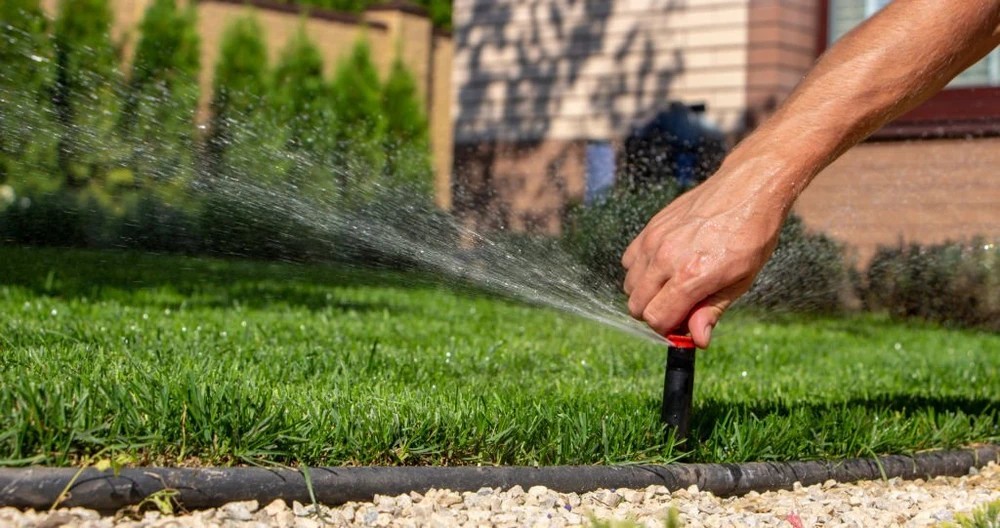
Have you ever looked across the lawn and noticed pale, dry stripes even though the sprinklers just ran? In Ellisville, FL, September can still bring hot afternoons, sudden rain, and grass that quickly shows signs of water problems. Lake City, FL, yards can face the same issue when sprinkler coverage does not reach every part of the lawn evenly. Irrigation problems like this are easier to understand once a homeowner knows what to check first, so let’s walk through what those dry stripes may be telling you.
Why Irrigation Leaves Dry Stripes Across Florida Lawns After Rain
Landscaping Clues In The Grass
Landscaping can show sprinkler problems before the system itself looks broken. Dry stripes often appear where the grass is getting less water than the areas beside it. This can happen when sprinkler heads are too far apart, turned the wrong way, blocked by plant growth, or not spraying with enough pressure. The pattern is usually the clue. A narrow line may point to missed spray coverage, while a larger dry area may mean one part of the zone is not getting enough water at all. Good irrigation checks start by looking at the shape of the dry spot instead of guessing right away.
In Ellisville, FL, grass can show stress quickly when September heat lingers after a dry day. A sprinkler zone may look fine when it pops up, but that does not always mean the water is landing where it should. A head may be spraying too low, misting into the air, or hitting a shrub instead of the lawn. Sometimes mulch or edging near a bed can shift just enough to block part of the pattern. Landscaping details around the lawn should be checked because the problem may not be the grass itself. It may be a small coverage issue that has been sitting there for weeks.
Drainage Changes Water Coverage
Drainage can make dry stripes more confusing because water does not always stay where it lands. If the yard has a slight slope, water may run away from one strip and settle in another. This can leave one section looking dry while a nearby area looks darker and thicker. A homeowner may think the sprinkler is not running long enough, but the real issue may be where the water is moving after it hits the lawn. Irrigation should be checked, along with the yard’s grade, so the watering pattern makes more sense. This is especially important when rain and sprinkler use are happening in the same week.
Lake City, FL, properties can have sandy areas, compacted spots, and low sections that handle water differently. Drainage may pull water away from higher ground, while a lower patch stays damp longer than expected. If the homeowner simply increases watering time, the dry stripe may not improve much, and the wetter area may become too saturated. That is why a careful review of irrigation is better than just changing the controller. The system needs to water the lawn evenly, but the yard also has to absorb that water effectively. When both things are checked together, the cause of dry stripes becomes much easier to narrow down.

How Irrigation Layout Problems Show Up Near Sprinkler Heads
Landscaping Beds Can Block Spray
Landscaping beds are one of the first places to check when sprinklers leave dry stripes beside the lawn. Plants grow, shrubs spread, and bed edges change over time. A sprinkler head that worked well last year may now be blocked by new growth or covered by soil that has settled around it. When that happens, the water may spray into the plant bed rather than reach the grass. The lawn beside the bed can start to fade in a clean line, which is why the dry stripe looks so obvious. Irrigation problems like this can often start from a simple obstruction.
The same thing can happen near decorative areas, landscape lighting, or small features that were added after the sprinkler system was installed. These details can look nice, but they should not sit directly in the spray path. A good check looks at each head while the zone is running, not just when everything is turned off. The spray should rise above the grass, reach its intended distance, and overlap with the nearby heads. If one head stops short, the lawn between two spray patterns may dry out. This is where attention to detail matters, because one small block in the pattern can appear as a long stripe across the yard.
Drainage Areas May Steal Water
Drainage areas near sprinkler heads can also affect how the lawn looks. If water runs toward a swale, driveway edge, or low corner, one part of the spray pattern may not soak into the grass long enough. The homeowner may see dry stripes near the middle of the yard and wetter grass along the edge. This can feel confusing because the sprinkler is technically working. The problem is that the water is not staying in the right spot long enough to help the root area. Irrigation checks should include how water moves after each zone runs.
Dry stripes can also occur when sprinkler heads are tilted. A tilted head may throw water too far in one direction and too short in another. This can leave a dry strip behind the head or along the edge of its reach. Drainage can make that worse if the water that does land nearby quickly moves away. A simple visual check during a run cycle can reveal a lot. Is the head straight? Is the spray even? Is water pooling somewhere else? Once those questions are answered, the repair path becomes clearer, and the homeowner is not left guessing from the color of the grass alone.

What Irrigation Checks Help Lawns Recover Before Fall Rain
Landscaping Around The Spray Pattern
Landscaping around the spray pattern should be checked before a homeowner assumes the lawn needs a major fix. Dry stripes can come from simple things like tall grass blocking a low head, a sprinkler nozzle turned slightly off, or a bed that expanded into the spray area. Even small changes can interrupt coverage when the system was originally set for a different lawn shape. Irrigation should match the yard as it is now, not only the way it looked when the system was first installed. This is why an on-site check can be useful. The crew can see the actual spray pattern, plant growth, and lawn condition simultaneously.
There is also a timing side to sprinkler checks in September. Grass may still need consistent watering, but Florida’s rain can change the lawn’s needs from week to week. If the system runs too often after heavy rain, some areas may become soggy while other areas remain dry. If it runs too little during a hot stretch, thin stripes can become more noticeable. A good irrigation plan should be adjusted with real weather and yard conditions in mind. Landscaping looks cleaner when the lawn color is more even and dry sections are caught early.
Drainage Spots After Watering
Drainage spots after watering can reveal whether the sprinkler system is helping the yard or creating new trouble. After a zone runs, the homeowner can look for water collecting near sidewalks, in low lawn areas, along bed edges, or at the base of shrubs. Water in the wrong place may mean the system is running too long, spraying at the wrong angle, or watering a section that already gets enough moisture. Dry stripes nearby may mean the water is landing around the problem area instead of on it. Irrigation service should look at both the dry grass and the wet spots because they often relate to each other.
This kind of check can also protect the rest of the property. Too much water near beds can shift mulch, soften soil, or make walking areas messy after rain. Poor drainage around hard surfaces can make the yard less pleasant to use, especially when family members are moving between the house, porch, and lawn. A sprinkler system should make the yard easier to care for, not harder. When drainage and sprinkler coverage are reviewed together, the repair can be more accurate. That is how a homeowner gets closer to even watering instead of chasing one dry stripe after another.

Conclusion
Dry stripes in the lawn are not something homeowners have to ignore or keep guessing about. They may come from blocked sprinkler heads, uneven spray patterns, pressure issues, poor coverage, or drainage that moves water away from the grass too quickly. At Custom Acres Lawn Services LLC, we are committed to superior quality, prioritizing customer service, and unmatched attention to detail in every yard we care for. If your irrigation system is leaving dry stripes or uneven spots, contact us today, and we will be happy to help you find the cause and get your lawn watering more evenly.
Recent Comments